Introduction
In recent years, advancements in regenerative medicine have garnered significant attention, particularly regarding the roles of stem cells and exosomes. These two components are becoming increasingly intertwined in therapeutic applications, offering innovative solutions for various health challenges. The exploration of their synergy could pave the way for groundbreaking treatments in areas such as wound healing, hair restoration, and facial rejuvenation. This article delves deep into the fascinating intersection of stem cells and exosomes, highlighting their potential in regenerative therapies.
Understanding Exosome Therapy
What Are Exosomes?
Exosomes are small extracellular vesicles secreted by various cell types. They play crucial roles in intercellular communication by transferring proteins, lipids, and genetic material between cells. Their ability to modulate immune responses and influence cellular behavior has made them a focal point in scientific research.
The Role of Exosomes in Regenerative Medicine
Exosomes contain bioactive molecules that can promote tissue repair and regeneration. In regenerative therapies, they serve as carriers for therapeutic agents, enhancing the delivery of growth factors to target tissues.

Key Benefits of Exosome Therapy
- Minimally Invasive: Unlike traditional surgical methods, exosome therapy often involves non-invasive procedures. Reduced Risk of Rejection: Since exosomes are derived from the patient’s own cells or closely matched donors, they pose a lower risk of immune rejection. Versatility: Their application spans multiple fields including dermatology (exosomes for hair), orthopedics, and cardiology.
Exosome Therapy: Applications Overview
Wound Healing Hair Restoration (Exosomes for Hair) Facial Aesthetics (Exosomes for Face) Orthopedic Injuries Cardiovascular Health Neurological DisordersExploring the Synergy Between Stem Cells and Exosomes in Regenerative Therapies
The convergence of stem cells and exosomes represents a paradigm shift in regenerative medicine. Stem cells possess unique properties enabling them to differentiate into various cell types while promoting regeneration through their secretome—primarily composed of exosomes.
How Do Stem Cells Contribute to Exosome Production?
Stem cells release exosomes that encapsulate molecular signals crucial for tissue repair. These signals can stimulate surrounding cells to proliferate and differentiate, thereby enhancing healing processes.
Clinical Applications Combining Stem Cells and Exosomes
Aesthetic Treatments: The combination is particularly effective for skin rejuvenation. Hair Restoration: Enhancing follicle regeneration through targeted therapies. Chronic Wound Management: Offering accelerated healing rates through combined mechanisms.The Mechanisms Behind Stem Cell-Derived Exosome Action
Cell Communication via Exosomal Signaling
Exosomal signaling enhances cellular communication within tissues during repair processes. This cross-talk is vital for coordinating responses among different cell types involved in healing.
Role of Growth Factors in Tissue Regeneration
Stem cell-derived exosomes are rich in growth factors such as VEGF (Vascular Endothelial Growth Factor) and PDGF (Platelet-Derived Growth Factor), which stimulate angiogenesis—the formation of new blood vessels crucial for nutrient supply during tissue repair.
Exosome Therapy London: Where to Find It?
For those seeking high-quality exosome therapy in London, the Mesglo Aesthetic Clinic stands out as a premier destination. Located conveniently in Marylebone, this clinic offers cutting-edge treatments utilizing advanced exosome protocols tailored to individual needs.
Why Choose Mesglo Aesthetic Clinic?
- Experienced practitioners with expertise in both stem cell biology and regenerative therapies. State-of-the-art technology ensuring safety and efficacy. Comprehensive consultations to create personalized treatment plans.
Safety Considerations Surrounding Exosome Therapy
Are There Risks Involved with Exosome Therapy?
While generally considered safe due to their natural origins, there are some risks associated with exosome therapy:
Potential for infection at injection sites Allergic reactions Unknown long-term effectsFor further details on risks associated with exosome therapy, you can visit this source.
FDA Approval Status of Exosome Therapy
Is exosome therapy FDA approved? The answer varies depending on specific products being used or studied; however, many clinical applications remain under investigation rather than being fully approved yet.
To learn more about FDA regulations concerning this therapy, check out this informative link.
Comparative Analysis: Stem Cells vs. Traditional Therapies
| Feature | Stem Cell Therapy | Traditional Therapy | |-----------------------|-------------------------------------|--------------------------------| | Invasiveness | Minimally invasive | Often requires surgery | | Recovery Time | Shorter recovery https://mesglolondon.co.uk/exosome-face-london/ times | Longer recovery periods | | Side Effects | Fewer adverse effects | Possible complications | | Efficacy | High potential effectiveness | Variable outcomes |
This table highlights how combining stem cell technology with exosomal applications may offer superior outcomes compared to conventional methods.
Real-Life Applications: Success Stories with Exosomal Treatments
Numerous anecdotal reports showcase successful outcomes from patients undergoing treatments involving both stem cells and exosomes:
Patients report significant improvement after hair restoration using exosomal injections. Individuals undergoing facial rejuvenation describe enhanced skin texture and elasticity following treatment. Chronic wound patients demonstrate faster healing rates when treated with stem cell-derived exosomal therapies.FAQs
1. What are the primary uses of exosome therapy?
Exosome therapy is primarily used for aesthetic purposes such as hair restoration (exosomes for hair), facial rejuvenation (exosomes for face), wound healing, and treating orthopedic injuries.
2. How does exosome therapy work?
Exosome therapy works by injecting concentrated doses of biological molecules that promote healing into affected areas, allowing these molecules to facilitate tissue repair at a cellular level.
3. Is there any downtime after receiving exosome therapy?
Typically minimal downtime is expected after receiving treatment; however, individual experiences may vary based on factors like injection site sensitivity or pre-existing conditions.
4. Can anyone undergo exosome therapy?
Most individuals can benefit from this type of therapy; however, consultations with healthcare providers are essential to assess candidacy based on individual health status.
5. What makes Mesglo Aesthetic Clinic unique?
Mesglo Aesthetic Clinic combines cutting-edge technology with expertise in regenerative treatments tailored specifically to patient needs within a comfortable setting located strategically in Marylebone.
6. Are there any side effects associated with using exosomes?
While generally safe due to their natural origins, possible side effects include localized swelling or redness at injection sites; serious adverse events are rare but should be discussed during consultations.
Conclusion
As we navigate through the complexities of regenerative medicine today, understanding the synergy between stem cells and exosomes offers promising avenues toward therapeutic breakthroughs that were once thought impossible! Whether it’s restoring hair volume or revitalizing facial aesthetics—exosomal therapies deliver results backed by science!
At Mesglo Aesthetic Clinic located right here in Marylebone—patients receive expert care designed around their unique goals using state-of-the-art technologies available today! If you're interested in exploring these innovative treatments further or have questions about what they entail—don’t hesitate! Reach out today!
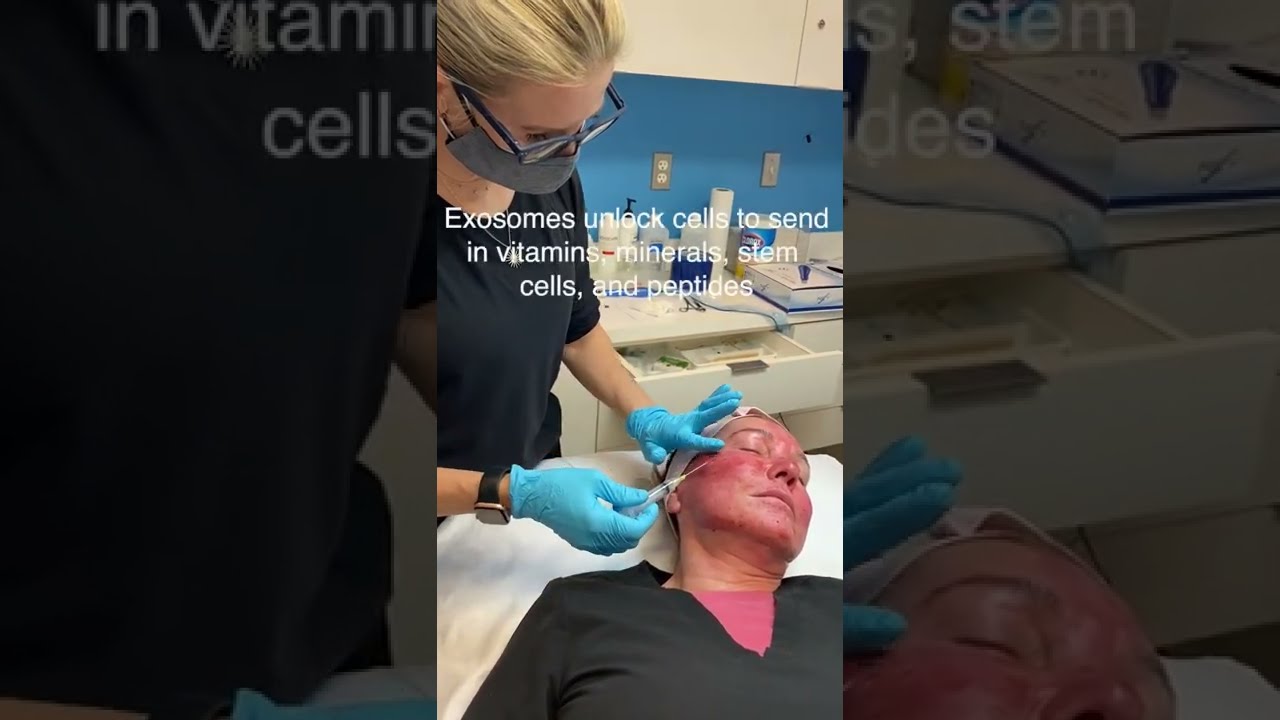
By embracing these exciting developments within regenerative therapies—we not only empower ourselves but also enhance our quality of life!